

Oil, a new Fed chair and uncontained yields
Author:

In Q3 2026, multi-asset investors saw yields rise across all maturities, the dollar gain on higher rates and stocks and bonds move together, even as long-term inflation expectations held steady. The latest Multi-Asset Class Review shows which single asset still lowered risk in the portfolio analyzed.
Q3 2026 MAC Review: Risk & Performance
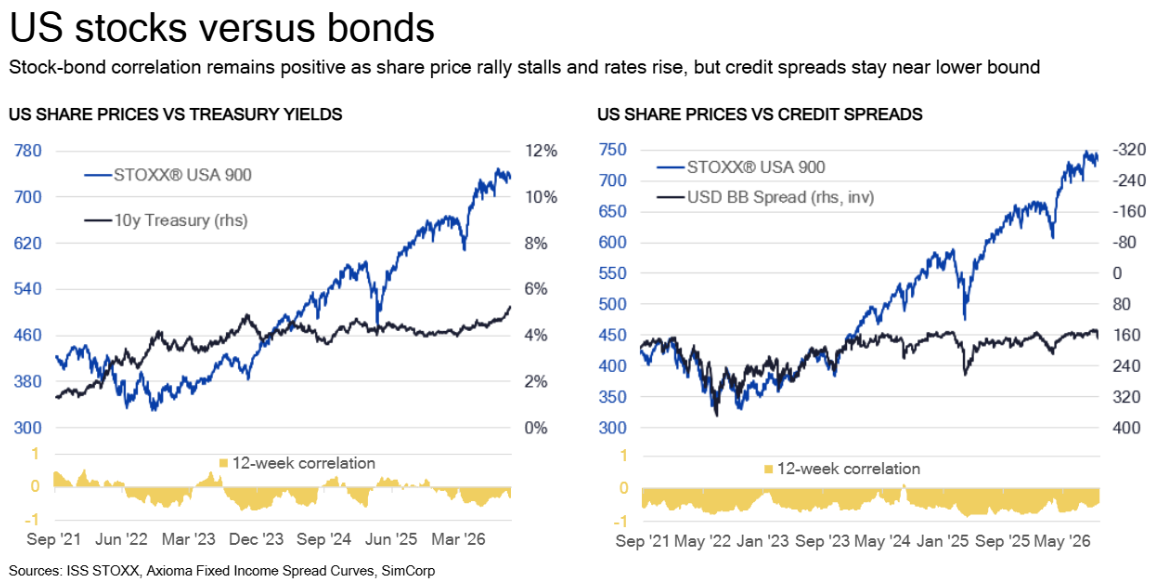
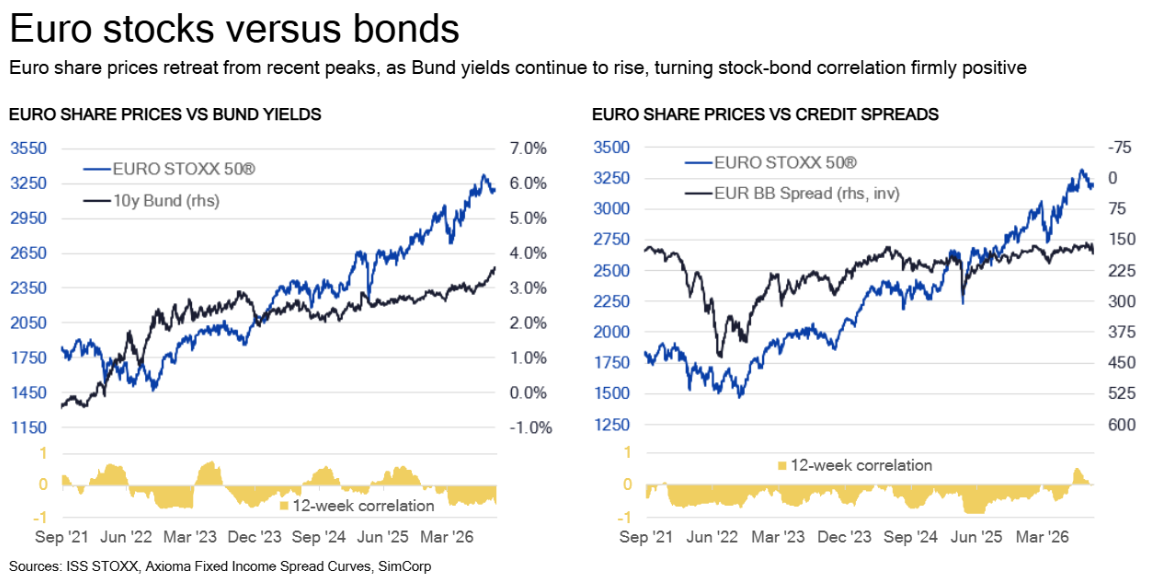
The continued focus on inflation and monetary policy meant that stocks and bonds kept moving in tandem, severely limiting diversification opportunities for multi-asset investors.
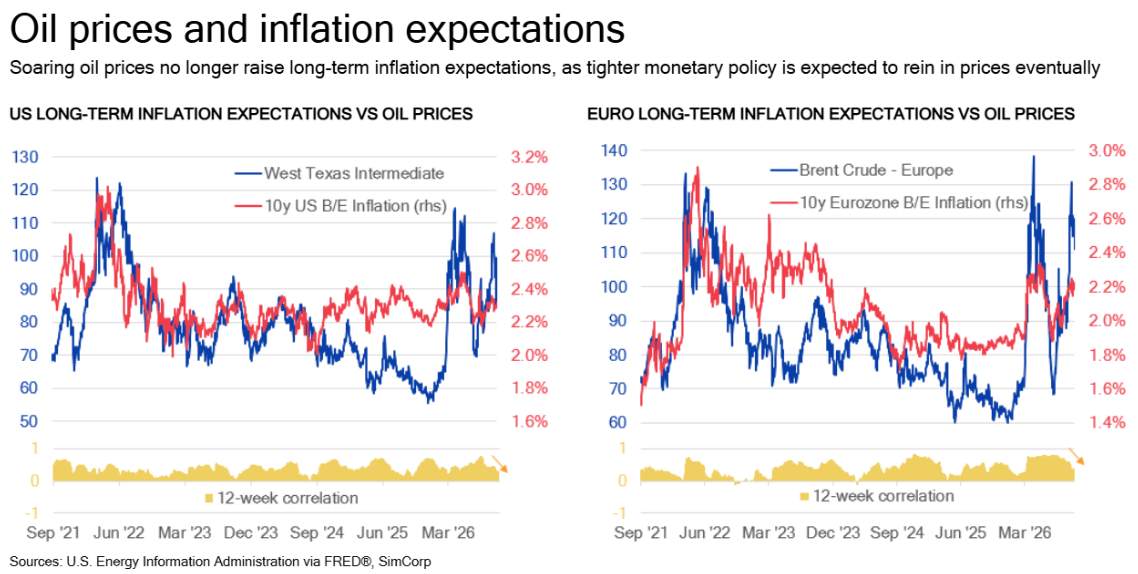
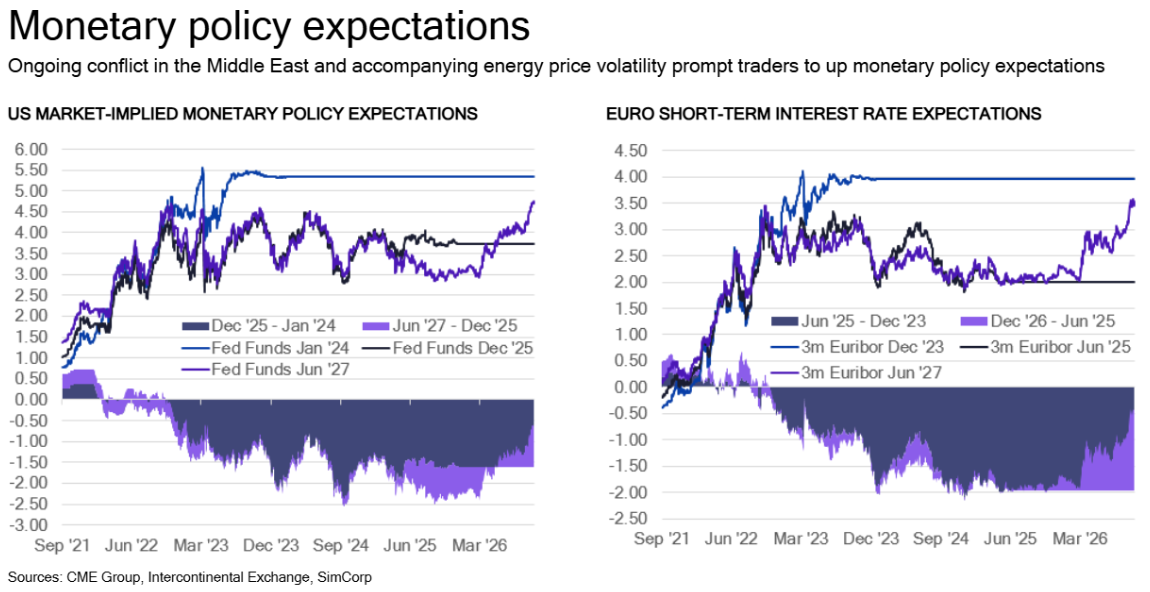
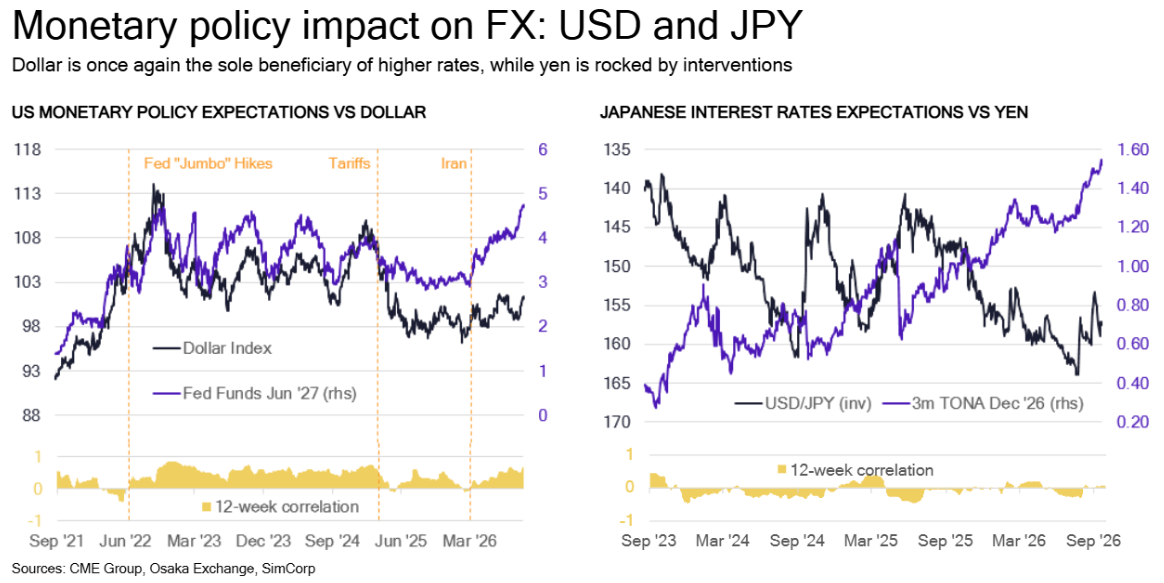
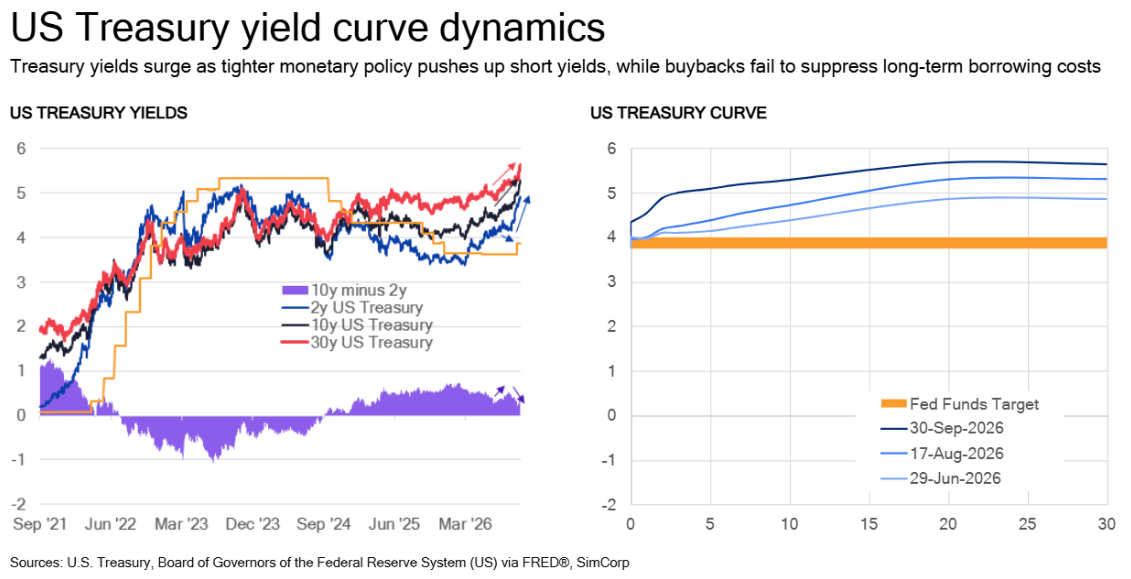
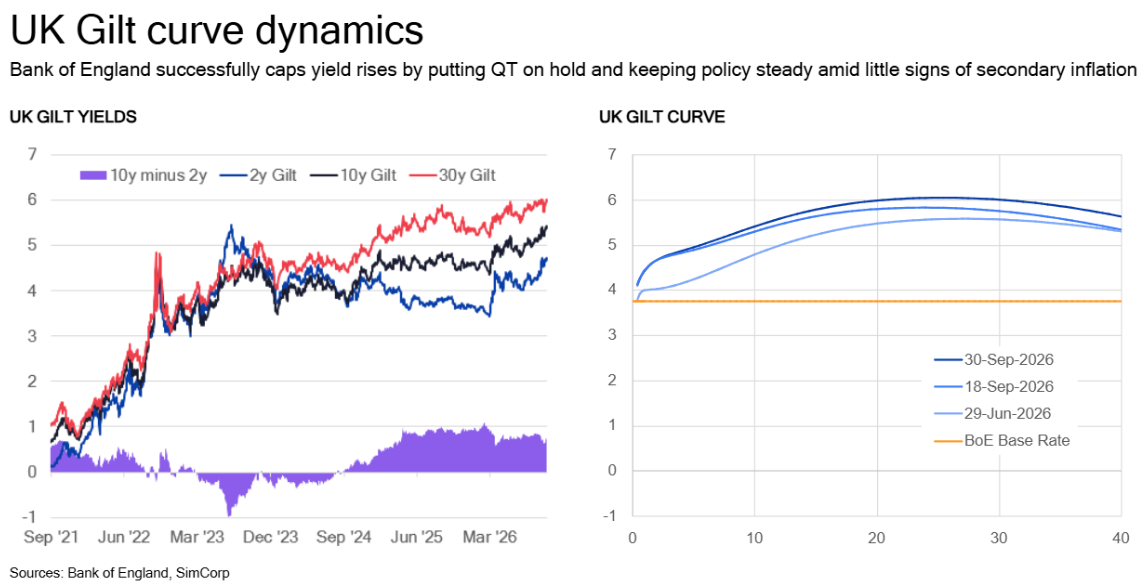
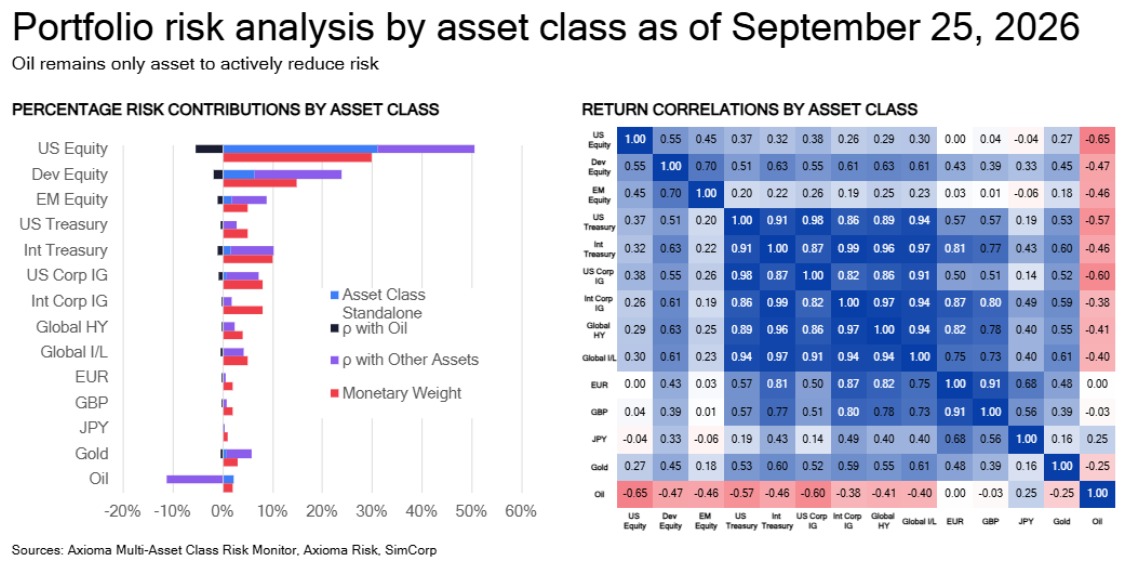
The third quarter of 2026 was again shaped by the ongoing conflict in the Middle East and the volatile, resurging oil prices it brought. But the new Fed chair’s singular focus on price stability ensured that long-term inflation expectations stayed anchored, even as yields advanced across all maturities amid unsuccessful attempts from authorities to rein them in. There was one clear beneficiary from those higher rates at the expense of most other currencies and one notable exception. The continued focus on inflation and monetary policy meant that stocks and bonds kept moving in tandem, limiting diversification opportunities for multi-asset investors. In this quarter's update, the seven key findings below show how higher rates moved markets, and the one asset that lowered portfolio risk.
Seven key findings from the last three months
Outlook heading into the final months of 2026
Consumer price growth and monetary policy will remain the key drivers of multi-asset returns and risk into the final months of 2026. Even if oil prices and inflationary pressures were to ease, their inverse relationship with stocks and bonds is likely to keep the two major asset classes moving together, leaving diversification opportunities limited.
The two ends of the yield curve look set to stay decoupled. With central banks now firmly focused on price stability, short rates will keep tracking every CPI release for its bearing on monetary policy. Long yields, by contrast, are likely to grow less sensitive to inflation expectations, leaving concerns over excessive government borrowing as the dominant driver at that end of the curve.
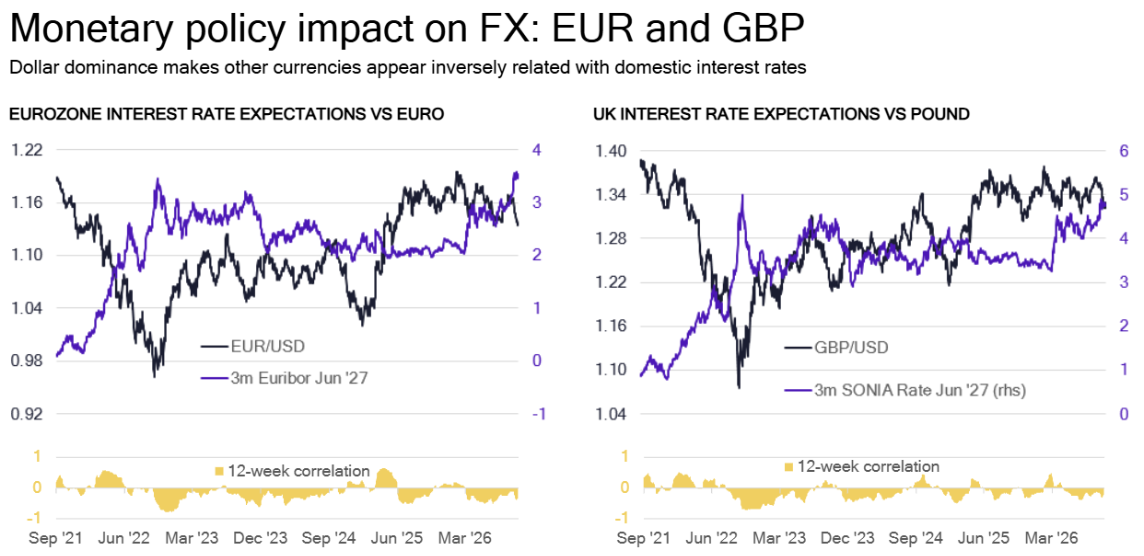
Rate differentials should continue to disproportionately drive the value of the dollar, though other factors, such as the political and fiscal uncertainty in France and the enduring threat of intervention, look poised to carry more weight for the euro and the yen, respectively.
Download the slide deck for the full set of detailed charts on US and eurozone inflation expectations, policy-rate pricing, currency dynamics, Treasury and Gilt curve behavior, real yields, stock-bond correlations, and a complete breakdown of portfolio risk contributions by asset class and risk factor.
FAQs
FAQs
What drives long-dated real yields higher?
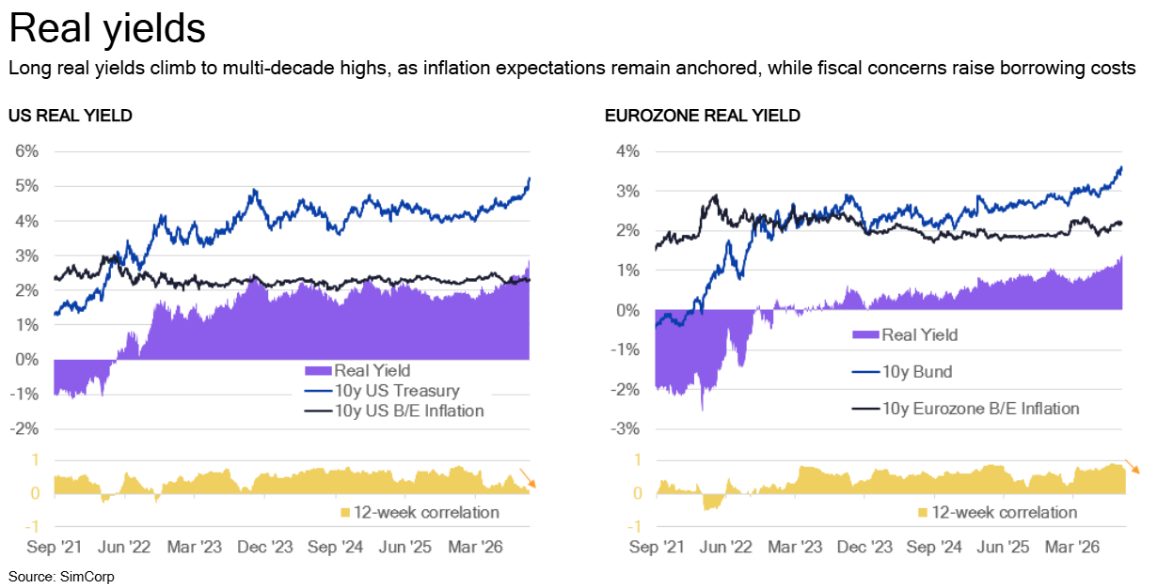
Rising term premia pushed long-dated US real yields to multi-decade highs in Q3 2026, according to SimCorp's analysis. With inflation expectations steady, the focus moved to the price of duration: the Federal Reserve is retreating, foreign demand is fading and private investors are pricing duration risk themselves, while sovereign borrowers compete with an investment boom driven by artificial intelligence (AI) for the same pool of long-term capital.
FAQs
Can central banks cap long-term bond yields?
Results were mixed in Q3 2026, according to SimCorp's Multi-Asset Class Review. Long-end US borrowing costs kept rising despite repeated Treasury bond buyback operations, while the Bank of England was more successful, pausing its gilt sale auctions, committing to retain a substantial share of its longest-dated holdings and keeping policy steady amid little sign of secondary inflation.
FAQs
Do higher oil prices still raise long-term inflation expectations?
Not in Q3 2026, according to SimCorp's Multi-Asset Class Review. Oil prices kept rising, but long-term inflation expectations in the US and eurozone stayed steady, because markets expect central banks to contain any pass-through before it becomes entrenched. The pressure moved into near-term policy rate expectations instead, and traders raised short-term rate expectations.
FAQs
Why are stocks and bonds still moving together?
Inflation and monetary policy are driving both markets. The Axioma Multi-Asset Class Risk Monitor showed the stock-bond correlation staying positive in Q3 2026 as the share price rally paused and rates rose, with euro share prices retreating from recent peaks as Bund yields kept rising. Credit spreads stayed near their lower bound, and credit spreads and interest rates increasingly moved together, which limited diversification within fixed income.
FAQs
Which assets reduce portfolio risk when correlations are positive?
In Q3 2026, oil was the one asset in the portfolio analyzed that consistently reduced overall risk, according to Axioma Risk. Axioma Risk breaks down how much each holding adds to or subtracts from total portfolio risk, by asset class and risk type. As of September 25, 2026, gold was the riskiest holding relative to its monetary weight, and cross-asset correlations stayed broadly positive.
You may also like


