
MULTI-ASSET CLASS MONITOR HIGHLIGHTS
WEEK ENDED JULY 31, 2026
Yield curves steepen as central banks hold amid hawkish dissent
The US Treasury and UK Gilt curves steepened in the week ending July 31, 2026, as the Federal Reserve and the Bank of England both left policy rates unchanged, each citing the uncertainty caused by the ongoing conflict in the Middle East. Both also stressed their readiness to act should inflationary pressures intensify, with three members of both the FOMC and the MPC dissenting in favor of an immediate rate increase.
That being said, the tone of the two press conferences felt very different. In his second press conference as Fed chair on Wednesday, Kevin Warsh seemed to almost welcome the recent steep rise in long-dated Treasury yields, which have risen more than 30 basis points since the last FOMC meeting in mid-June. He noted approvingly that market participants’ attention now appeared to center on “real data and real economic developments”, which he called “a change for the better.” By the end of the week, the 30-year borrowing rate had soared to heights last seen in 2007, while the 10-year benchmark climbed to its highest level since Donald Trump entered office in January 2025. The short end of the curve, meanwhile, ended the week substantially lower, widening the 10y/2y spread to a two-month high of 47 basis points.
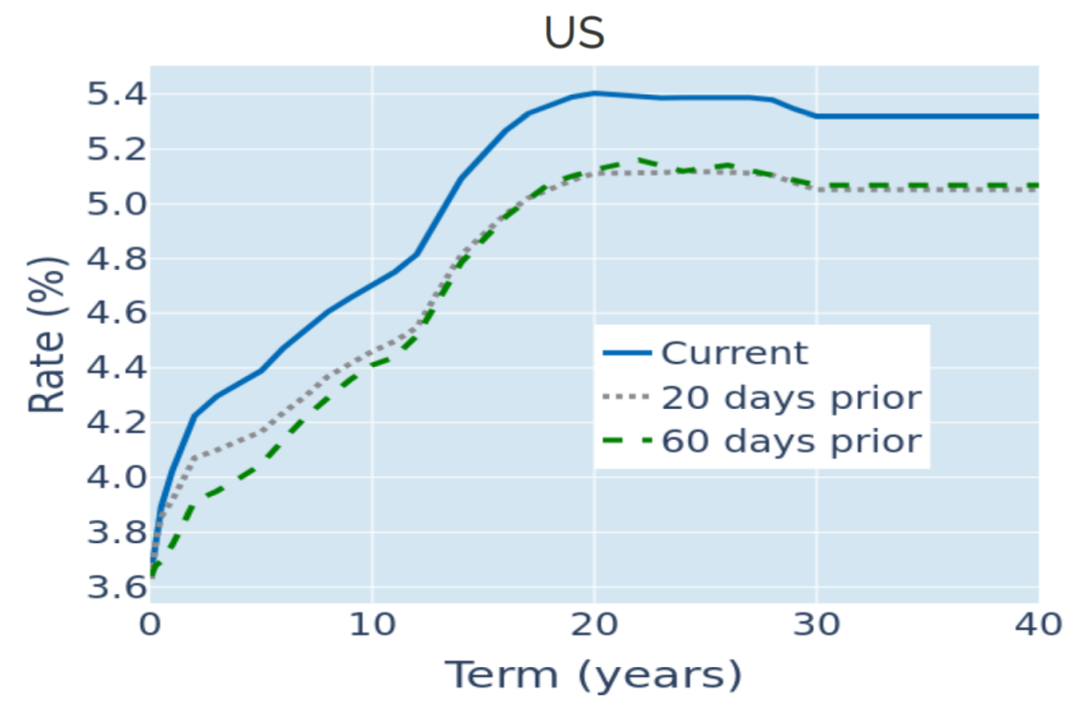
BoE Governor Andrew Bailey, by contrast, struck a much softer note after Thursday’s MPC meeting, seemingly playing down the dissenting votes and urging reporters not to leave the press conference “thinking the BoE is edging towards a hike.” The steepening of the Gilt curve was driven predominantly by the short end, as traders trimmed their expectations for year-end tightening by 9 basis points, leaving around one rate hike priced in.
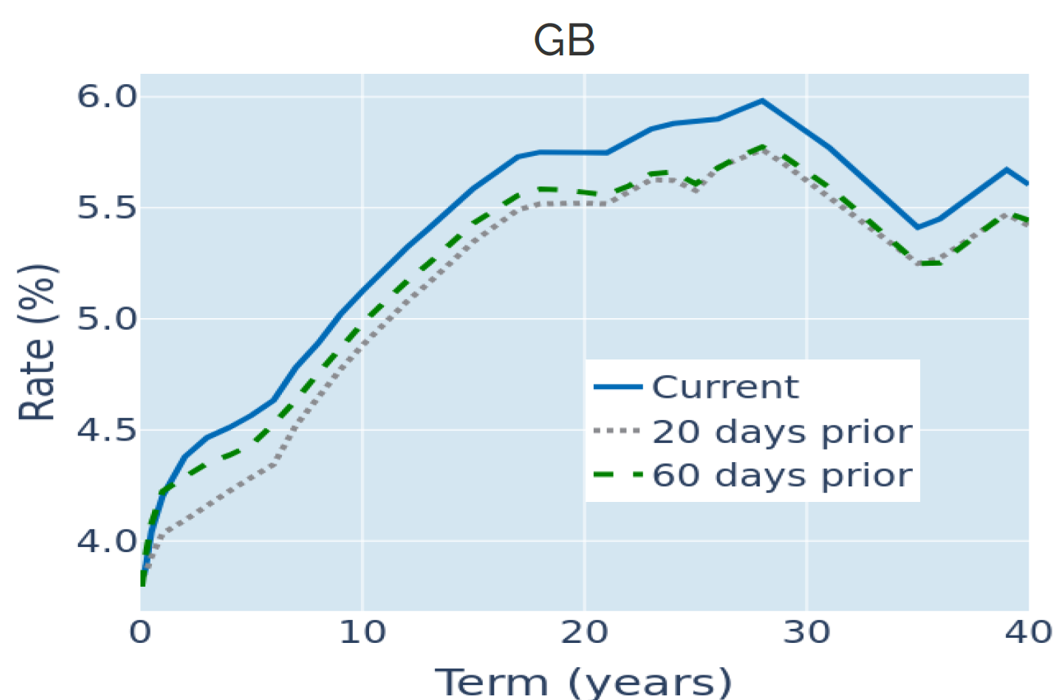
Please refer to Figure 3 of the current Multi-Asset Class Risk Monitor (dated July 31, 2026) for further details.
Dollar tracks the short end lower as yen surges on intervention
The US dollar followed the short end of the Treasury curve lower last week, depreciating 1.5% against a basket of major trading partners. The move reaffirmed the close link between the greenback and front-end US rates, as the substantial decline in short-dated yields eroded the dollar's interest-rate advantage over its major peers.
The Japanese yen was the clear outlier, strengthening almost 3% against the dollar and comfortably outpacing the rest of the G10, where most currencies gained between 0.5% and 1.5%. The size of the move, which happened predominantly on Thursday, fueled speculation about a renewed intervention by Japanese authorities. The notion was further underpinned by US authorities checking USD/JPY rates — often a precursor to intervention — on the same day, and the New York Fed eventually selling euros to buy yen on behalf of the Treasury on Friday.
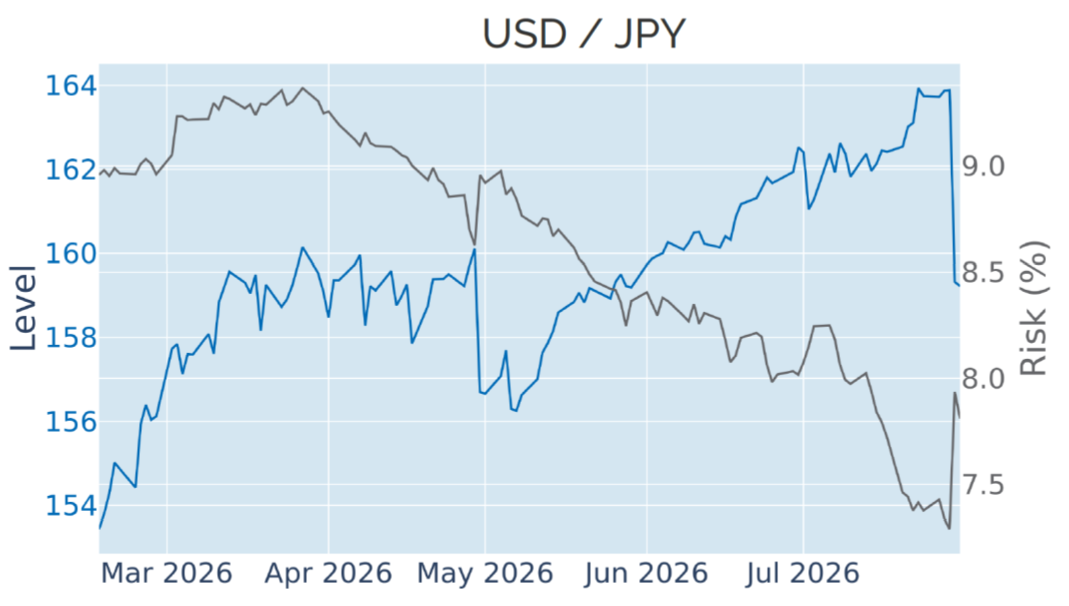
Please refer to Figure 6 of the current Multi-Asset Class Risk Monitor (dated July 31, 2026) for further details.
Portfolio risk eases slightly as equity recovery offsets higher FX volatility
The predicted short-term risk of the Axioma global multi-asset class model portfolio eased marginally to 6% as of Friday, July 31, 2026, as the adverse effect of greater FX volatility was more than offset by a recovery in global stock markets. US and emerging market equities reaped the greatest benefits, with their shares of total portfolio risk falling from 43.7% to 40.9% and from 11.2% to 8.9%, respectively. But non-US developed equities bucked the trend, as the larger FX volatility dominated for this internationally exposed block, whose percentage risk contribution rose 0.7 percentage points to 29.5%. The strong positive interaction between local equity returns and exchange rates against the dollar left it the riskiest equity class relative to its monetary weight, contributing close to twice its 15% allocation. Gold was the only other asset class for which the ratio was marginally higher at 2.1. Oil, meanwhile, had its risk-reducing properties substantially curtailed, as its negative contribution to portfolio risk narrowed from -4.5% to -0.8%. The move reflected the loss of its previously negative correlation with exchange rates against the dollar, which turned broadly neutral over the week and left the commodity a far less effective diversifier.
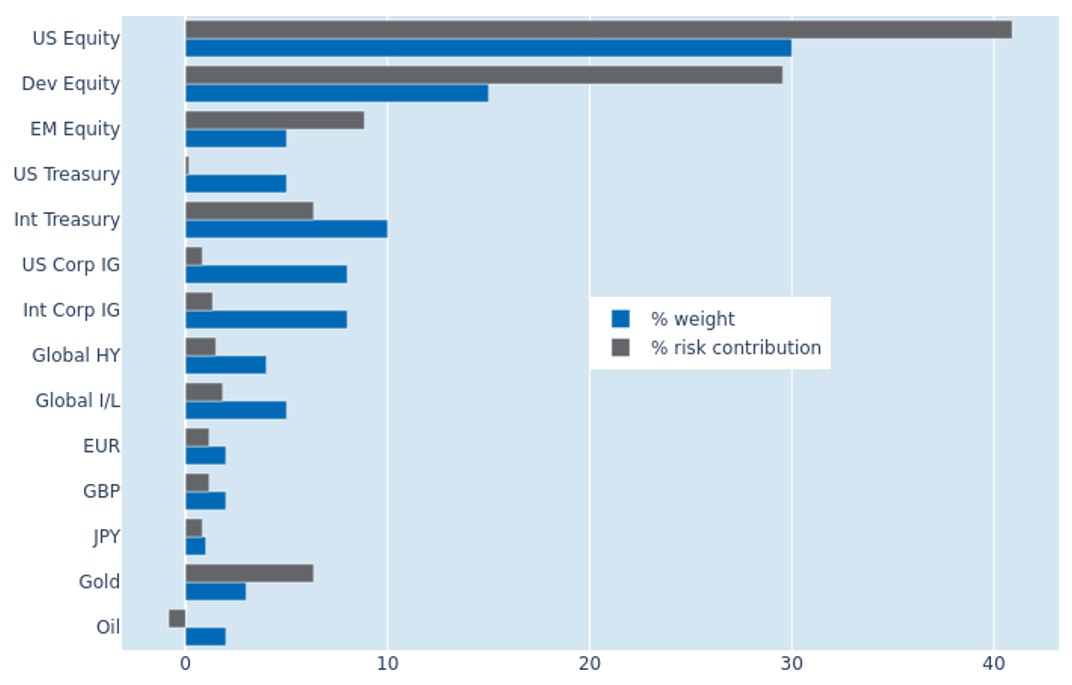
Please refer to Figures 7-10 of the current Multi-Asset Class Risk Monitor (dated July 31, 2026) for further details.
You may also like


