
MULTI-ASSET CLASS MONITOR HIGHLIGHTS
WEEK ENDED AUGUST 14, 2026
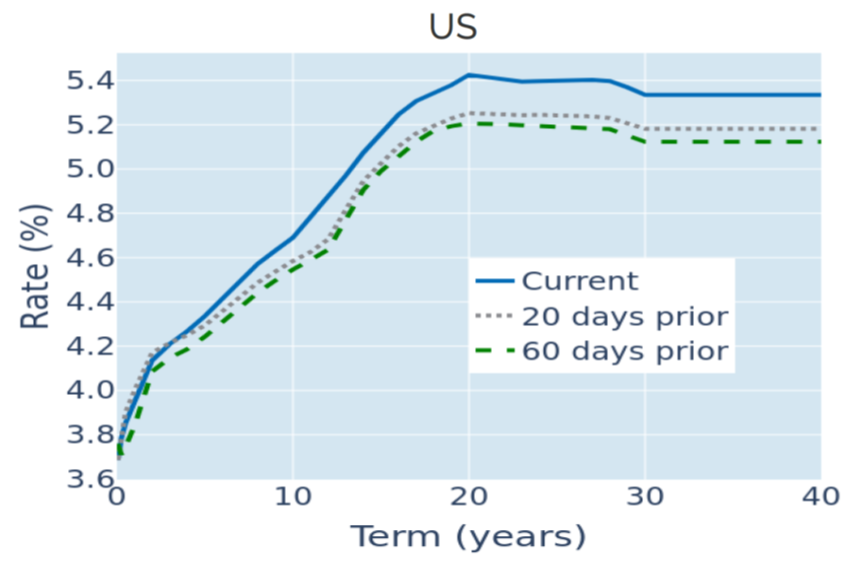
Treasury curve keeps steepening as mounting debt pushes long yields to 19-year high
The US Treasury curve steepened further in the week ending August 14, 2026, with the 10y/2y spread climbing to its steepest level in three months. The move was predominantly driven by the long end, amid growing concerns over the country's mounting debt pile, which approached $40tn. Thursday's 30-year auction added further pressure, with the Treasury forced to pay the highest yield at an auction in 25 years. That pushed the secondary-market benchmark rate to its highest level since 2007.
Short yields, meanwhile, eased, as short-term interest rate traders further trimmed the odds of a September Fed rate increase over the week, from roughly even on Monday to around a 1-in-3 chance by Friday. The move was underpinned by Thursday's CPI report, which showed inflation easing again from 3.5% in June to 3.4% in July, in line with market expectations, giving the Fed more room to wait and see before tightening policy further.
Please refer to Figure 3 of the current Multi-Asset Class Risk Monitor (dated August 14, 2026) for further details.
Yen gives back intervention gains despite broader dollar weakness
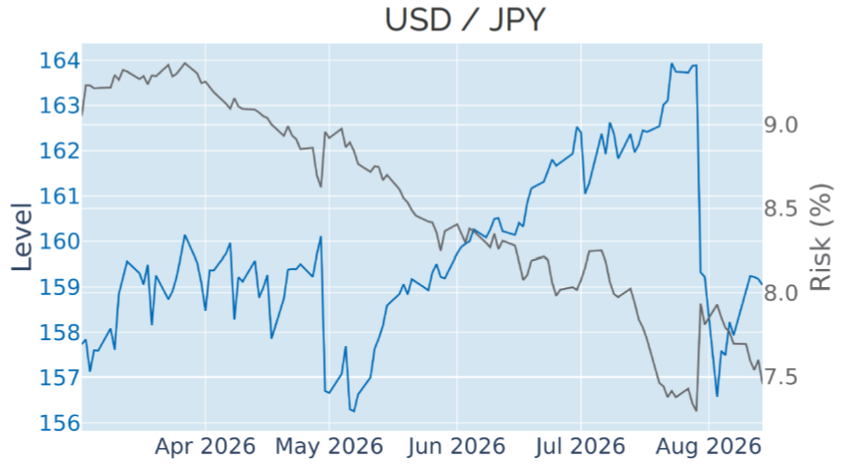
The Japanese yen was once again the standout mover in G10 currencies last week, falling around 0.7% against the dollar as it gave back most of the gains from the previous week's intervention. The retreat stood in sharp contrast to the greenback’s broader weakness, as it continued to track the decline in US short-term rates. The euro and the pound gained 0.2% and 0.4%, respectively, but the yen's reversal was large enough to leave the Dollar Index up 0.1%, given the Japanese currency’s 14% in the trade-weighted basket.
Please refer to Figure 6 of the current Multi-Asset Class Risk Monitor (dated August 14, 2026) for further details.
Lower equity and FX volatilities reduce portfolio risk
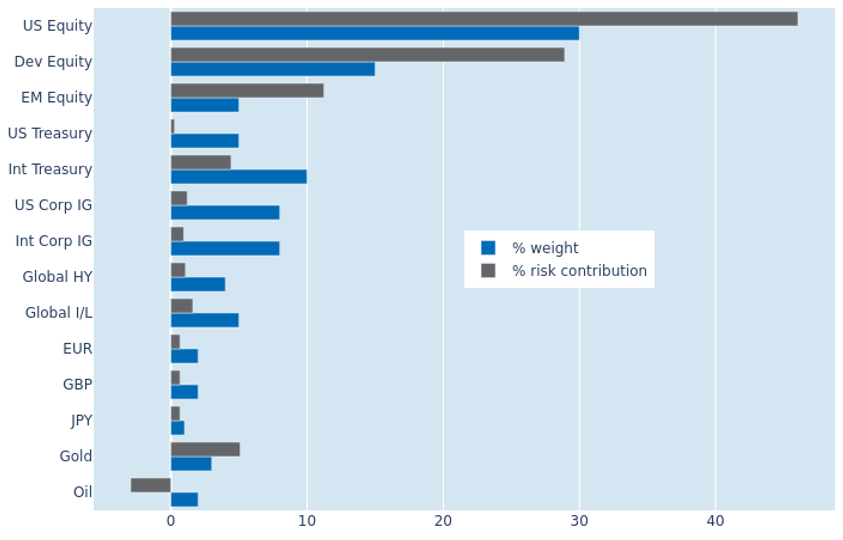
The predicted short-term risk of the Axioma global multi-asset class model portfolio eased 0.4 percentage points to 7.5% as of Friday, August 14, 2026, as lower equity and FX volatilities more than offset a reduced diversification benefit from oil. Emerging market equities and non-US government bonds reaped the greatest benefits, with their shares of total portfolio risk falling from 12.1% to 11.3% and from 5.5% to 4.4%, respectively. Oil, meanwhile, saw its risk-reducing properties almost cut in half, as its negative contribution to portfolio risk narrowed from -5.6% to -2.9%, reflecting a less inverse relationship with share prices.
Please refer to Figures 7-10 of the current Multi-Asset Class Risk Monitor (dated August 14, 2026) for further details.
You may also like


